Tracing Multiplier Mechanics Across Reel Variants in Asynchronous Mobile Play Environments
Viktor Lange · Oct 16, 2026
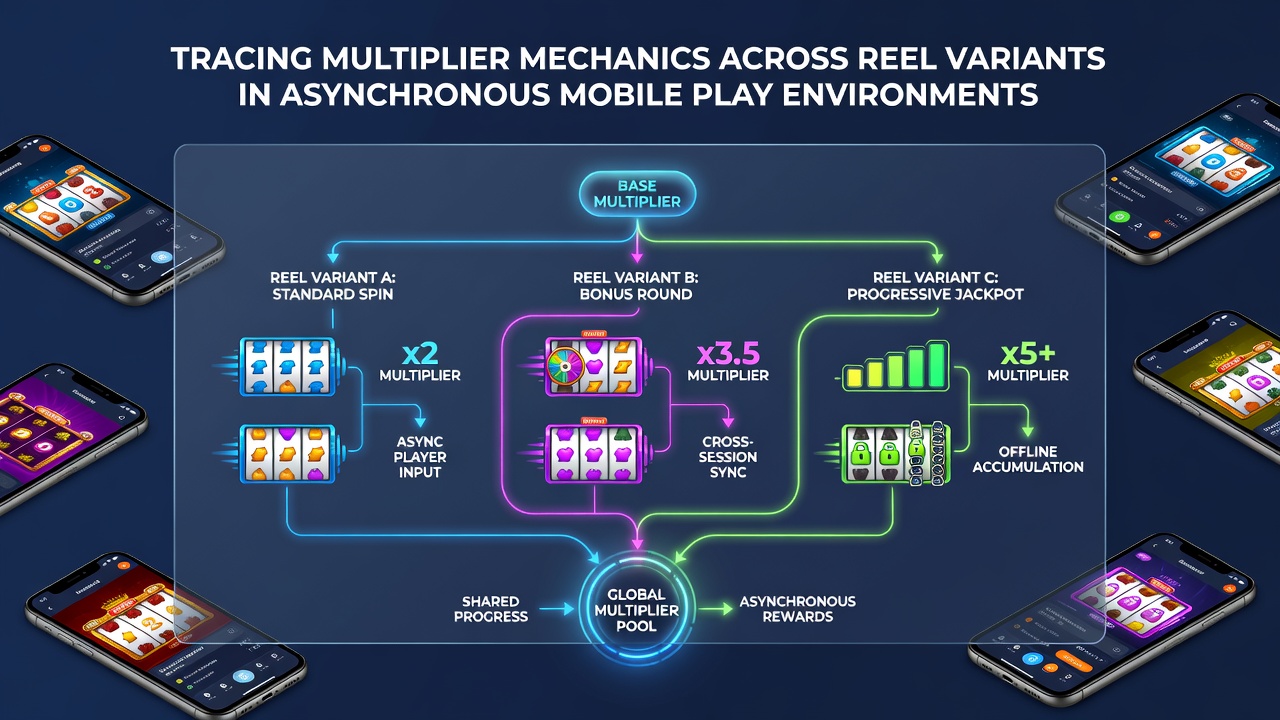
Tracing Multiplier Mechanics Across Reel Variants in Asynchronous Mobile Play Environments
Multiplier mechanics operate as core components in slot designs where reel variants determine how base wins scale during asynchronous mobile sessions, and each spin processes independently through server-side verification without reliance on synchronized player states. Researchers have mapped these systems across fixed three-reel layouts, five-reel video formats, and dynamic structures such as Megaways or cluster pays, noting consistent patterns in how multipliers attach to paylines, ways-to-win calculations, or symbol cascades.
Data from mobile platform analytics indicate that asynchronous environments handle multiplier triggers through isolated RNG calls per session, which prevents carryover effects between players while allowing individual reel variants to apply scaling factors ranging from 2x on standard symbols to 100x or higher on feature activations. Observers note that three-reel classics typically restrict multipliers to single-line activations or bonus rounds, whereas five-reel titles distribute them across multiple paylines and wild substitutions.
Reel Variant Comparisons in Mobile Contexts
Three-reel variants maintain multipliers primarily through dedicated bonus symbols that double or triple line payouts when they land in specific positions, and this approach carries over to mobile versions where touch interfaces trigger the same calculations without altering core probabilities. Five-reel games expand the scope by layering multipliers onto expanding wilds or free-spin sequences, with mobile implementations often using stacked symbols to increase hit frequency during independent play cycles.
Megaways and similar variable-reel systems introduce cascading multipliers that increment with each successive reaction, and studies of asynchronous mobile deployments show these mechanics reset per spin while preserving the mathematical model across device types. Cluster-pay formats apply multipliers based on symbol group size rather than fixed lines, which allows mobile platforms to process results in real time without requiring constant data exchange.
Implementation Patterns Across Asynchronous Sessions
Asynchronous mobile play environments separate the reel engine from client display, so multipliers calculate on remote servers before results return to the device, and this separation supports consistent behavior across different reel variants regardless of network latency. Figures from industry reports reveal that progressive multipliers, which build across consecutive wins within a single spin sequence, appear most frequently in five-reel and Megaways titles adapted for mobile.
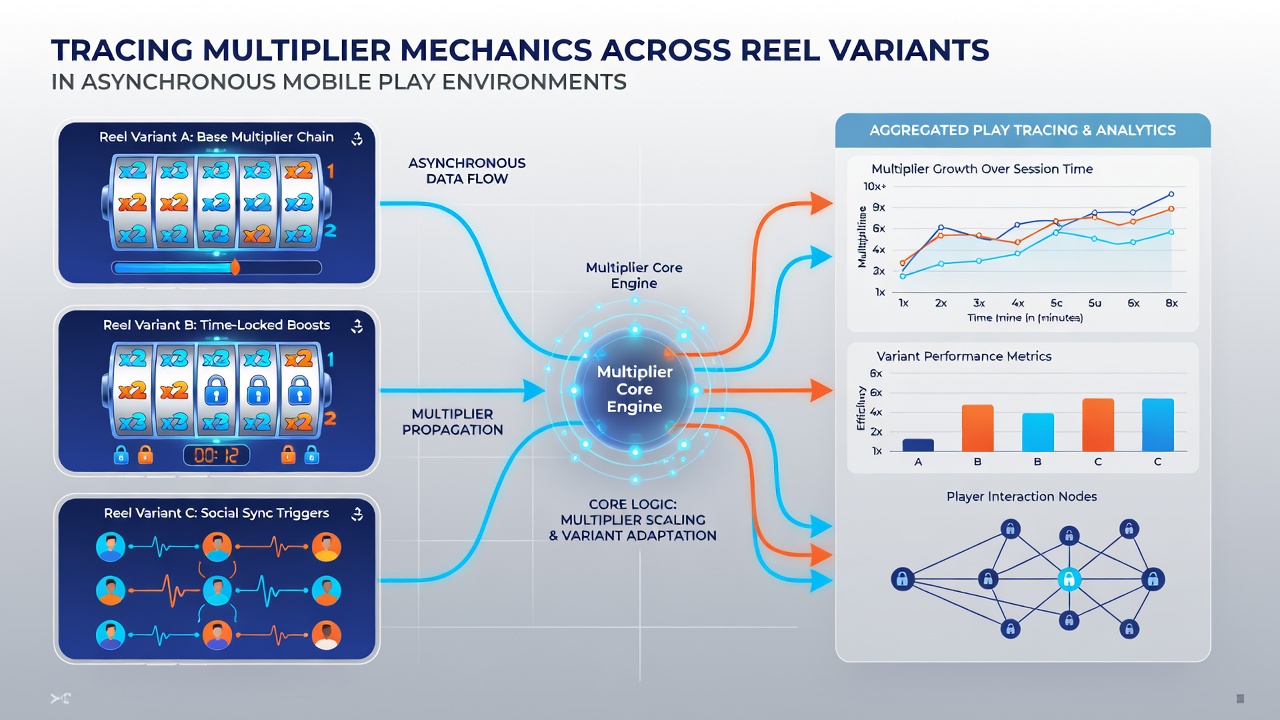
Random multipliers triggered by special symbols occur across all reel types, yet their placement and frequency adjust according to the underlying grid structure, with three-reel games limiting them to central reel positions while larger grids spread activation zones. Those who have examined certification logs note that testing protocols verify multiplier integrity separately for each variant to confirm that asynchronous execution does not introduce deviations from approved paytables.
Regulatory and Technical Data Points
Reports issued by the Nevada Gaming Control Board in October 2026 document the continued certification of multiplier-bearing titles across mobile channels, highlighting that asynchronous processing requires explicit documentation of how scaling factors interact with reel variant math models. Similar documentation from the Alcohol and Gaming Commission of Ontario tracks adoption rates of cascading multiplier features in variable-reel mobile games, showing steady integration without changes to independent spin resolution.
Academic analyses, including work referenced through International Gambling Studies, examine multiplier distribution patterns and find that mobile adaptations preserve the same probability curves established in land-based counterparts. Industry associations such as teh European Gaming and Betting Association compile comparative data on reel variants, confirming that asynchronous environments rely on standardized RNG algorithms to govern multiplier outcomes uniformly.
Conclusion
Multiplier mechanics trace through reel variants by adapting attachment points and scaling logic to the specific grid and win-evaluation method of each format, while asynchronous mobile environments enforce independent processing that maintains certified randomness. Available data from regulatory bodies and research publications demonstrate consistent application across three-reel, five-reel, Megaways, and cluster systems without cross-session interference. These mechanics continue to evolve within technical constraints that prioritize verifiable fairness in mobile deployments.