Technological Shifts Behind RNG Certification Processes in Digital Slot Networks
Harper Brooks · Aug 19, 2026
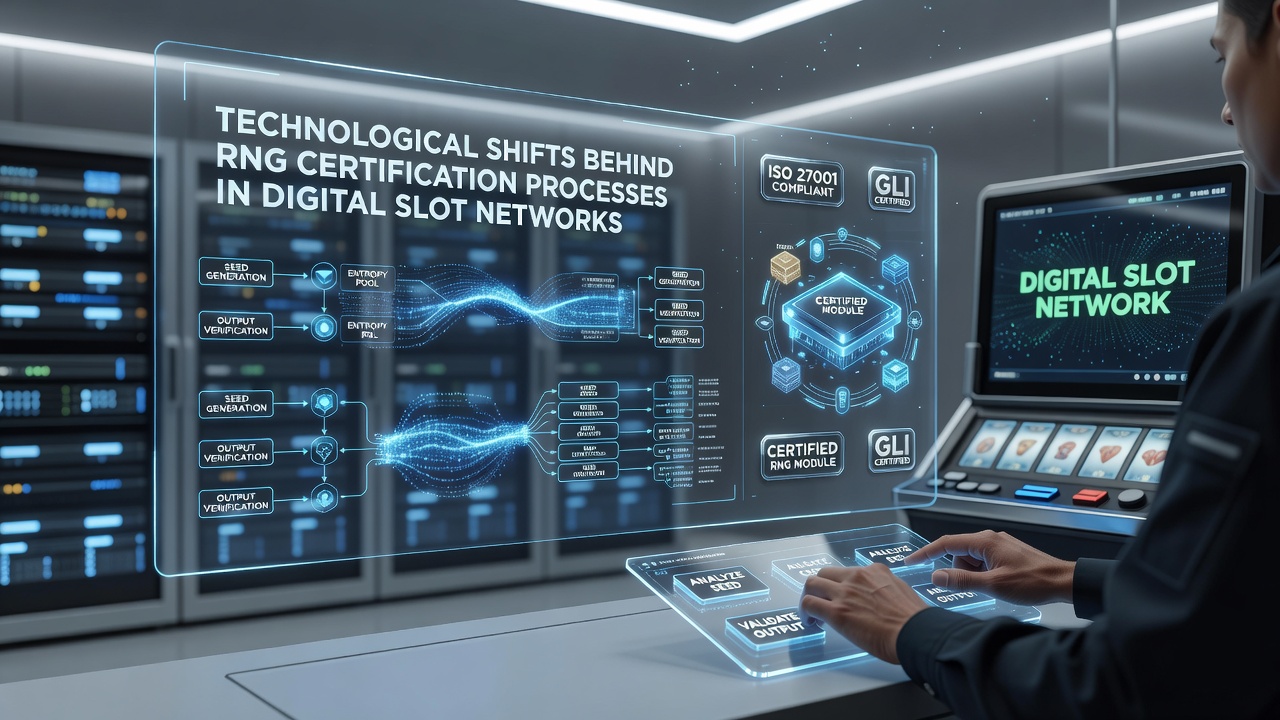
Technological Shifts Behind RNG Certification Processes in Digital Slot Networks
Digital slot networks rely on random number generators to determine outcomes and these systems have undergone substantial technological evolution that directly affects how certification processes operate today. Early RNG implementations depended on simple hardware circuits yet modern platforms integrate sophisticated algorithms that demand updated verification methods from independent testing laboratories.
Early Development of RNG Standards
Initial certification frameworks emerged in the late twentieth century when regulators required basic statistical tests to confirm that slot outcomes remained unpredictable and free from patterns. Laboratories performed runs tests along with frequency analysis on limited sample sizes because computational resources restricted deeper examination of long sequences. Those early protocols established core principles that still guide assessments even as underlying technology advanced considerably.
By the early 2000s software-based RNGs replaced many hardware versions and this transition forced certification bodies to expand their methodologies to include source code reviews alongside statistical evaluations. Observers note that increased processing power allowed for larger test suites while simultaneously introducing new vulnerabilities related to seeding mechanisms and entropy sources that required fresh validation approaches.
Integration of Advanced Computational Techniques
Contemporary certification incorporates machine learning models that analyze vast datasets for subtle correlations invisible to traditional statistical methods. Research from institutions such as those affiliated with the Gaming Laboratories International shows how these models detect anomalies across billions of simulated spins in hours rather than days. Laboratories now combine deterministic testing with predictive analytics to evaluate whether an RNG maintains integrity under varying network loads and update conditions.
Continuous monitoring systems represent another shift where live data feeds from operational slot networks undergo real-time scrutiny instead of relying solely on pre-deployment samples. Data indicates that this approach identifies deviations faster because algorithms compare ongoing output against expected distributions derived from initial certification baselines. Technicians adjust thresholds dynamically while maintaining compliance with regional regulatory requirements across multiple jurisdictions.

Blockchain and Distributed Ledger Applications
Some networks have adopted blockchain ledgers to record RNG seed values and outcomes in immutable formats that external auditors can verify independently. This development reduces reliance on centralized reporting because every transaction remains accessible through distributed consensus mechanisms. Reports from the Australian Communications and Media Authority highlight how such transparency measures align with broader efforts to strengthen player trust without increasing manual oversight burdens on regulatory staff.
Yet integration challenges persist since blockchain implementations must still interface with legacy certification tools that predate distributed systems. Experts have observed that hybrid architectures often emerge where traditional RNG cores feed hashed outputs into ledger entries and this allows verification processes to span both established statistical frameworks and newer cryptographic proofs.
Anticipated Updates Scheduled for August 2026
Industry observers report that several testing laboratories plan to roll out enhanced protocols by August 2026 that incorporate post-quantum cryptographic standards into RNG evaluation suites. These changes address potential vulnerabilities from quantum computing advances that could theoretically compromise current elliptic curve based seeding methods. Preparatory work involves collaboration between developers and regulators to ensure that updated test vectors remain compatible with existing deployed networks.
Parallel efforts focus on standardizing entropy harvesting from diverse hardware sources including thermal noise sensors and timing jitter measurements. Such standardization aims to minimize platform-specific biases that have occasionally appeared during cross-jurisdictional audits and the resulting guidelines will likely influence certification timelines for new slot releases throughout the following year.
Conclusion
Technological shifts in RNG certification continue to reshape how digital slot networks achieve and maintain compliance. From expanded statistical toolkits to AI-assisted monitoring and blockchain verification the processes reflect ongoing adaptation to computational progress. As August 2026 approaches further refinements in cryptographic resilience and real-time oversight promise to sustain the integrity of these essential systems across global markets.