Patterns in Player Retention Linked to Odds in Various Slot Machine Formats on Smartphones
Carlo Walter · Oct 2, 2026
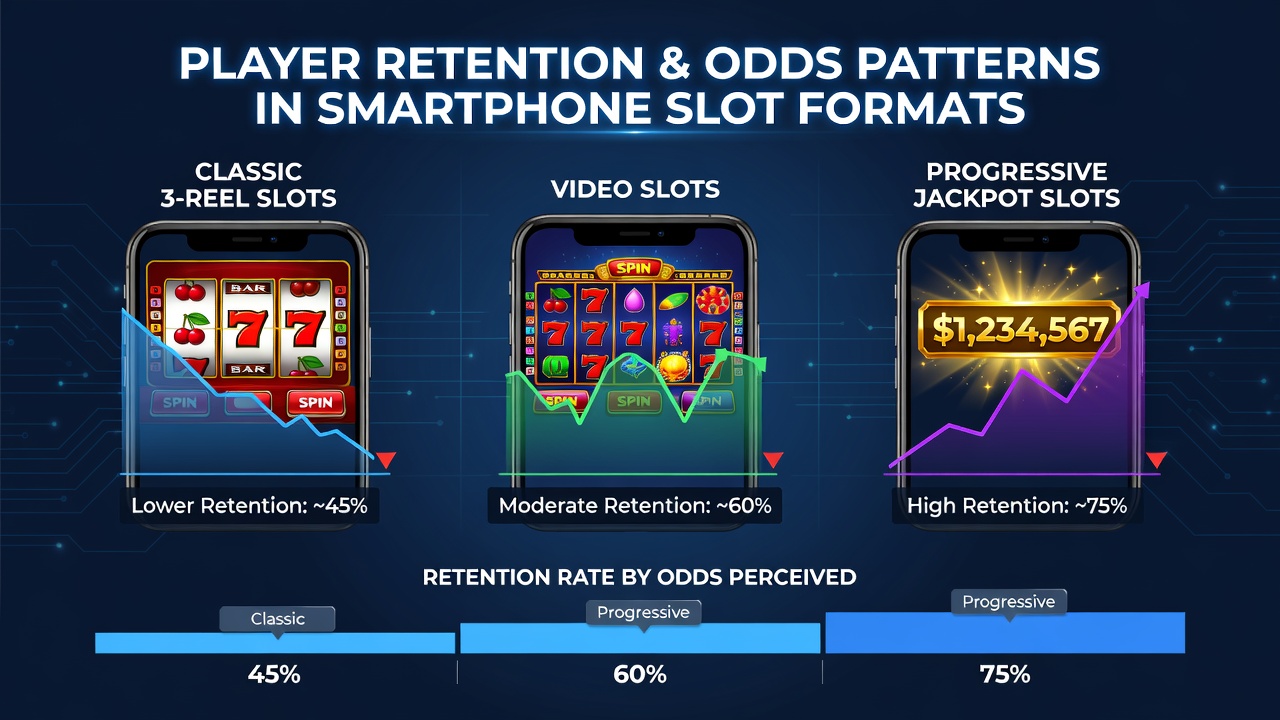
Patterns in Player Retention Linked to Odds in Various Slot Machine Formats on Smartphones
Slot machine formats on smartphones display distinct patterns where player retention connects directly to the mathematical odds built into each game type, and data from multiple markets shows how return-to-player percentages combined with volatility levels shape session duration and repeat engagement. Researchers tracking mobile gambling activity note that formats with higher RTP values often sustain longer individual sessions while lower-volatility options correlate with more frequent return visits across daily and weekly metrics.
Core Mechanics of Odds in Mobile Slots
Return-to-player percentages determine the proportion of wagered amounts returned to players over extended play periods, and smartphone versions of classic three-reel games typically operate within ranges of 92 to 96 percent according to certification records from testing laboratories. Video slots with five or more reels frequently list RTP figures between 94 and 97 percent while incorporating bonus features that alter effective odds during triggered sequences. Progressive jackpot formats on mobile devices adjust these calculations further because a portion of each bet contributes to growing prize pools, which produces lower base RTP values that only rise when jackpots reach substantial thresholds.
Volatility measures the frequency and size of payouts, and high-volatility titles deliver infrequent but larger wins that extend playtime during winning streaks yet increase the likelihood of quicker session endings during loss sequences. Low-volatility games produce smaller regular payouts that maintain steady engagement without rapid balance depletion, and analysts examining retention databases find these mechanics influence how often users reopen applications within 24-hour windows.
Format-Specific Retention Patterns
Classic slot formats on smartphones retain users through simplified mechanics and predictable payout structures, and studies of app usage logs indicate shorter average session lengths compared with feature-rich alternatives because players complete cycles faster and decide on continuation based on immediate results. Video slot formats incorporate multiple paylines and animated bonuses that extend individual spins, and data reveals higher retention rates measured by seven-day active user figures when RTP exceeds 95 percent and volatility remains moderate. Megaways and cluster-pay formats introduce variable reel configurations that change odds dynamically within single sessions, and observers report these mechanics support elevated retention among users who prefer frequent small wins interspersed with occasional larger payouts.
Smartphone interfaces introduce additional variables because touch controls and portrait orientation affect how quickly players adjust bet sizes or access paytable information, and retention analytics from October 2026 show that formats optimized for one-handed play maintain higher daily return rates across demographic groups. Progressive formats linked to networked jackpots display retention spikes when advertised prize amounts exceed certain thresholds, although base game odds remain less favorable than standalone titles.
Data Trends Across Markets
Industry reports compiled by organizations such as the American Gaming Association document retention differences tied to odds disclosure requirements, and figures indicate that jurisdictions mandating visible RTP information see measurable shifts in player selection toward higher-percentage titles. Australian research initiatives through bodies like Gambling Research Australia track mobile-specific engagement where volatility settings correlate with session frequency, and results highlight that moderate-volatility games sustain longer-term retention measured over monthly intervals. European testing standards enforced by laboratories accredited under remote gambling directives produce comparable datasets showing format variations in player return behavior.
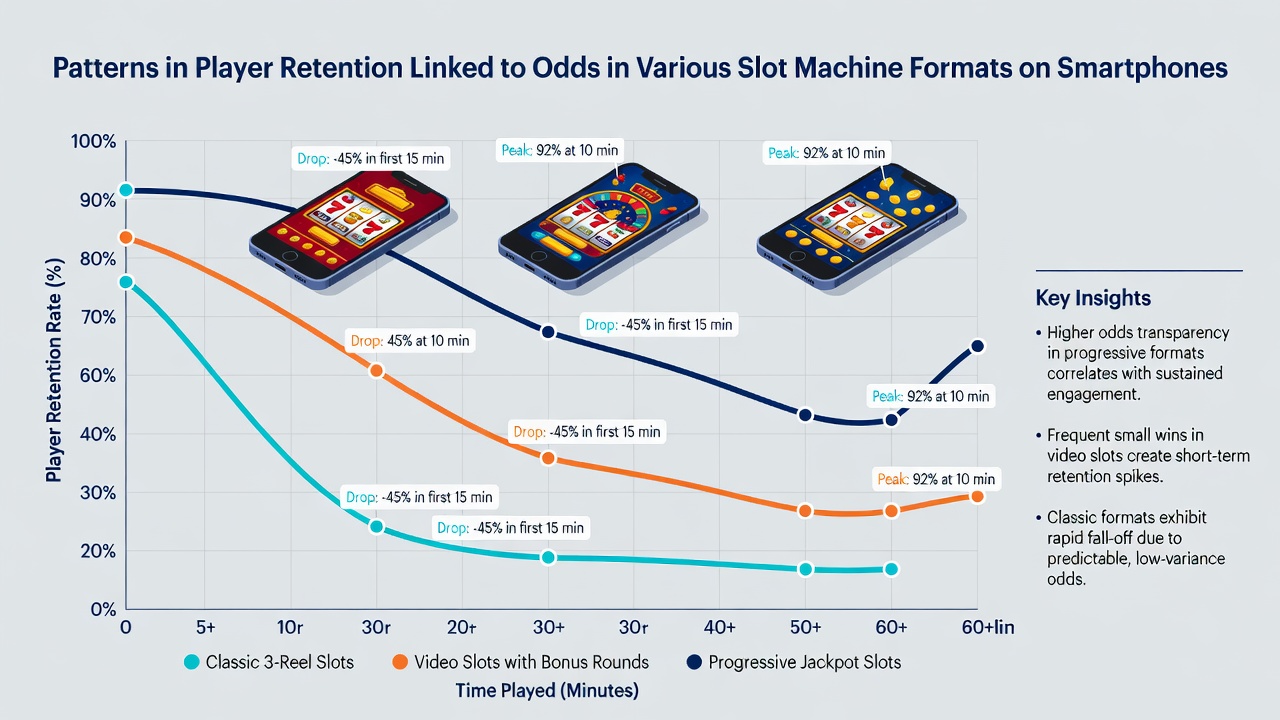
Smartphone application stores and platform policies further shape these patterns because age verification and spending limit tools interact with game odds to influence how long users remain active before pausing or exiting. Data collected during peak periods in October 2026 demonstrates that formats with transparent odds information embedded in help screens retain users at rates several percentage points above those without such features.
Behavioral Correlations and Measurement
Retention metrics such as day-one return rate and average revenue per daily active user connect to odds structures because players respond to the perceived value of continued play, and longitudinal studies separate these effects from marketing variables like bonus offers. High-volatility progressive slots on mobile devices often produce lower short-term retention yet higher lifetime value among the subset of users who reach jackpot triggers, whereas steady low-volatility options support broader but shallower engagement across larger user bases. Observers examining anonymized telemetry note that smartphone push notification timing interacts with these patterns when games signal approaching bonus rounds based on their internal random number generators.
Conclusion
Patterns linking player retention to slot odds on smartphones emerge consistently across formats when RTP percentages, volatility profiles, and interface adaptations align with user behavior data collected in regulated markets. These connections appear in retention statistics from multiple regions and continue to evolve alongside updates in mobile technology and certification processes as of late 2026.