How Regulatory Frameworks Have Influenced Bonus Structures in Virtual Gaming Environments Across Different Jurisdictions
Iris Wagner · Aug 21, 2026
How Regulatory Frameworks Have Influenced Bonus Structures in Virtual Gaming Environments Across Different Jurisdictions
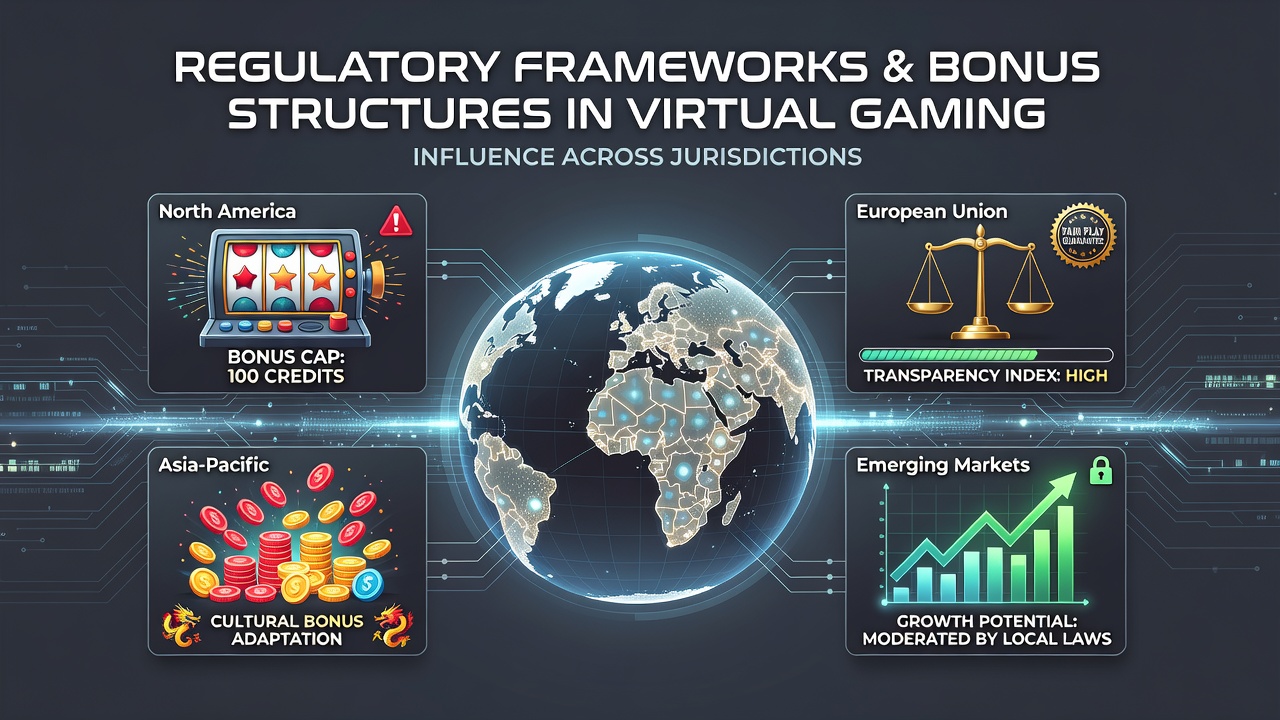
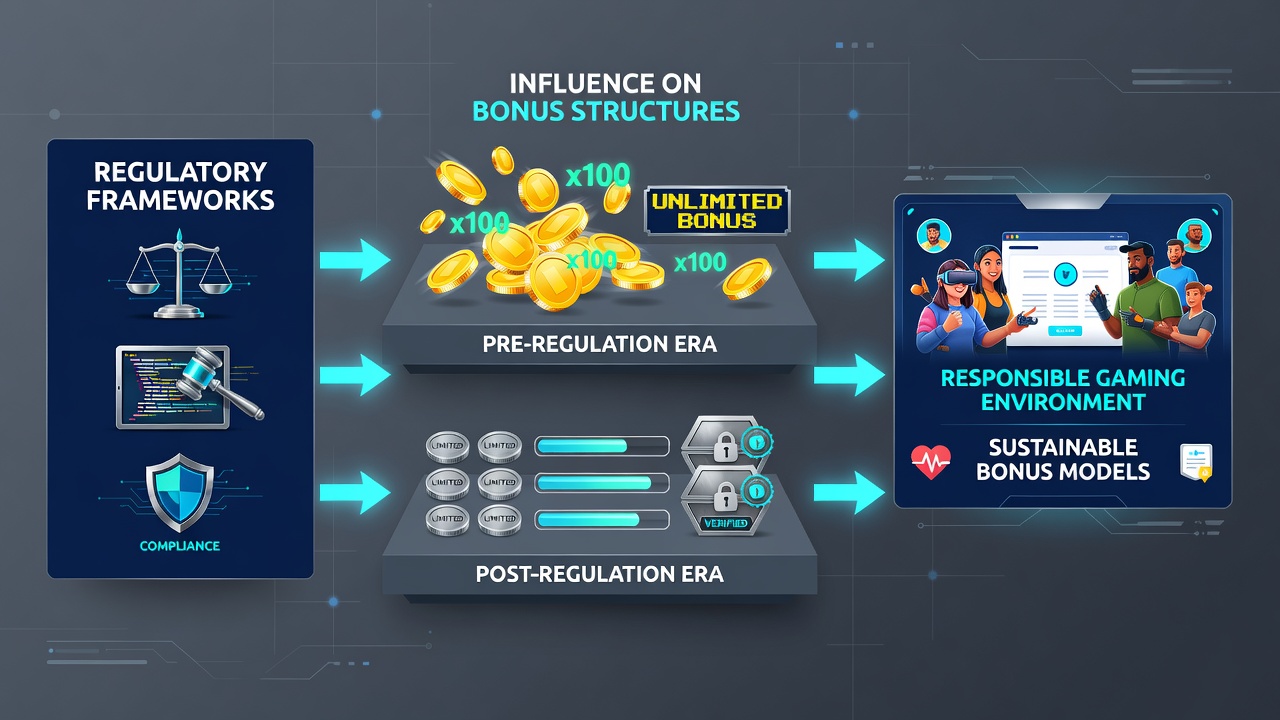
Regulatory frameworks shape bonus structures in virtual gaming environments by imposing limits on wagering requirements, deposit matches, and promotional offers that operators can extend to players, and these rules vary significantly depending on the jurisdiction in question. In many regions, authorities have introduced measures that cap bonus values or mandate transparent terms to prevent misleading promotions, which has led gaming companies to adjust their marketing strategies accordingly since the early 2020s.
United States State-Level Approaches
Across the United States, state gaming commissions have developed distinct rules that directly affect how bonuses appear in online casino platforms, with New Jersey and Pennsylvania providing clear examples of this variation. The New Jersey Division of Gaming Enforcement requires operators to disclose all bonus terms upfront while restricting certain free spin offers that previously carried excessive playthrough conditions, and data from state reports indicate that average wagering multipliers dropped from 30x to around 20x in compliant venues by mid-2025. Pennsylvania's regulatory body has gone further by banning no-deposit bonuses entirely in some license categories, which pushed operators toward deposit-based promotions that tie rewards more closely to actual player activity.
These state-specific policies create a patchwork effect where platforms must customize bonus offerings based on the player's location, and observers note that compliance teams now allocate substantial resources to track updates across multiple jurisdictions. In August 2026, several states are scheduled to review additional restrictions on loyalty program bonuses, which could further standardize reward structures around verifiable player spending rather than initial sign-up incentives.
European Regulatory Variations
European jurisdictions have adopted frameworks that emphasize consumer protection through bonus restrictions, with Malta and Sweden serving as notable cases where national laws influence broader market practices. Maltese authorities limit bonus values to a percentage of deposits and require operators to separate bonus funds from main balances in player accounts, which has resulted in more segmented reward systems that reduce the appeal of high-volume promotional campaigns. Swedish regulations, meanwhile, cap welcome bonuses at a fixed amount and mandate that all offers include clear expiration dates, leading many platforms to simplify their structures to avoid penalties.
Research from academic institutions shows that these rules have decreased the frequency of bonus abuse while encouraging operators to focus on retention tools that comply wth spending caps. What's interesting here is how cross-border operators must maintain separate bonus engines for different EU markets, and figures from industry analyses reveal that compliance costs rose by approximately 15 percent in affected regions between 2023 and 2025.
Australian and Canadian Developments
Australia maintains strict controls through state and territory laws that prohibit many traditional casino bonuses in favor of cashback programs tied to verified losses, and this approach has prompted operators to shift toward loyalty schemes that reward consistent play rather than large upfront offers. The Australian Communications and Media Authority tracks these changes through periodic reviews, which indicate that bonus-related complaints fell notably after 2024 reforms took effect. Canadian provinces such as Ontario have introduced similar oversight via the Alcohol and Gaming Commission of Ontario, where bonus structures must now align with responsible gambling tools that automatically adjust promotional value based on player history.
These North American and Australian models demonstrate how regulators use data monitoring to refine bonus rules over time, and experts have observed that platforms respond by developing region-specific interfaces that hide non-compliant offers from local users. In practice this means players in one jurisdiction see entirely different promotional menus than those in another, even on the same global site.
Emerging Markets in Asia
Asian jurisdictions present a contrasting picture where some markets like Japan and South Korea have only recently formalized online gaming rules that touch on bonus structures, often requiring operators to obtain local licenses before offering any promotions. Japanese guidelines limit bonus amounts to small percentages of deposits and tie them to educational materials about gambling risks, while South Korean frameworks remain more restrictive overall and focus on blocking unauthorized bonus promotions from offshore sites. Industry reports from regional associations highlight that licensed operators in these areas now emphasize skill-based rewards over pure chance bonuses to meet evolving standards.
Regulatory bodies continue to monitor cross-border access, which forces virtual gaming environments to implement geo-blocking and personalized bonus displays that respect local laws. This ongoing adaptation shows how frameworks in newer markets draw from established ones while tailoring limits to cultural and economic contexts.
Conclusion
Regulatory frameworks across these jurisdictions collectively drive operators to redesign bonus structures around compliance requirements, transparency mandates, and player protection measures that differ by region. As updates continue through 2026 and beyond, virtual gaming environments will likely see further standardization in areas like wagering caps and offer disclosures, with companies investing in flexible systems that accommodate multiple rule sets simultaneously. The result is a landscape where bonus availability depends heavily on location and licensing status, supported by ongoing oversight from government agencies and industry groups.